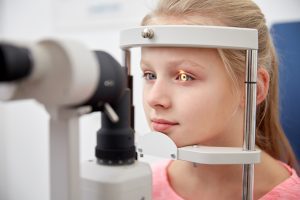
Several tests are performed to evaluate your vision and eye health during an eye exam. These include a visual acuity test to measure how well you see at various distances and a refraction assessment to determine your prescription for glasses or contact lenses. Eye exams also include tests for eye alignment, eye movement, and depth perception. The health of your eyes is assessed through a slit lamp examination to examine the structures of your eye and tonometry to measure eye pressure, which can indicate glaucoma. Additionally, eye exams allow the optometrist to examine the back of your eye, including the retina and optic nerve, for signs of damage or disease. These comprehensive evaluations ensure a thorough understanding of your vision needs and eye health.
Can I have an eye exam even if I don't wear glasses?
Absolutely, you should have regular eye exams even if you do not wear glasses. Eye exams assess much more than just your need for corrective lenses; they are critical to maintaining your overall eye health. Regular exams can detect early signs of eye diseases and conditions that may have no visible symptoms in their initial stages. These exams also allow for the monitoring of changes in your vision and eye health over time, enabling timely interventions when necessary. Moreover, they can identify potential systemic health issues that often present signs within the eyes. Therefore, regardless of whether you need glasses, regular eye exams are essential for everyone.
Will an eye exam detect conditions other than vision problems?
Yes, an eye exam can detect conditions other than vision problems. Eye exams are not only about assessing how well you see but also about evaluating the overall health of your eyes. Through various tests, optometrists can identify signs of systemic diseases such as diabetes, high blood pressure, and high cholesterol, as these conditions can affect blood vessels in the retina. Additionally, eye exams can reveal eye diseases like glaucoma, macular degeneration, and cataracts early on. The ability to detect these conditions early makes it possible to manage them effectively, preventing further damage or loss of vision. Thus, eye exams play a crucial role in maintaining both eye and systemic health.
To find an eye exam in Edmonton, you can start by searching online for local optometry clinics, such as Louie Eyecare Centre. Many clinics have websites where you can learn about their services and book appointments. Additionally, online directories and review sites can offer recommendations and reviews from other patients. Health insurance providers often have lists of approved eye care providers in their network. Referrals from family, friends, or your primary care doctor can also be valuable. Remember to check the clinic’s credentials and reviews to ensure you are choosing a reputable and experienced eye care provider.
Allergies can cause eye irritation and discomfort, making wearing contact lenses challenging for some individuals. However, certain types of contact lenses, such as daily disposables or lenses made from specific materials, might be more suitable for allergy sufferers. Consult your optometrist to discuss your allergy symptoms and determine the most appropriate contact lens options or if prescription allergy eye drops are recommended. Proper lens care, including regular cleaning and avoiding allergens that exacerbate symptoms, is essential to manage allergies while wearing contact lenses.
How often should my child have follow-up eye exams?
The frequency of follow-up eye exams for your child will depend on their specific eye health and any vision correction requirements. In general, annual eye exams are recommended to monitor their vision and address any changes or concerns. Your eye doctor will provide guidance on the appropriate intervals for follow-up exams based on your child’s individual needs.